Contact Us
REQUEST A CNC OR STAMPING SERVICE QUOTE FROM OUR EXPERTS TODAY!
Upload files ( Max file size: 20MB )

In modern manufacturing and DIY projects alike, sheet metal bending is a fundamental skill. Whether you’re working with aluminum, stainless steel, or mild steel, knowing how to bend sheet metal accurately can make the difference between a strong, precise component and a warped piece of scrap.
At MAXTECH CNC, bending is part of our core sheet-metal stamping service, alongside punching, incision, curling, and deep drawing. Our team regularly handles aluminum, stainless steel, brass, copper, and alloy steels, ensuring tight tolerances and durable results for industries like automotive, construction, and electronics.
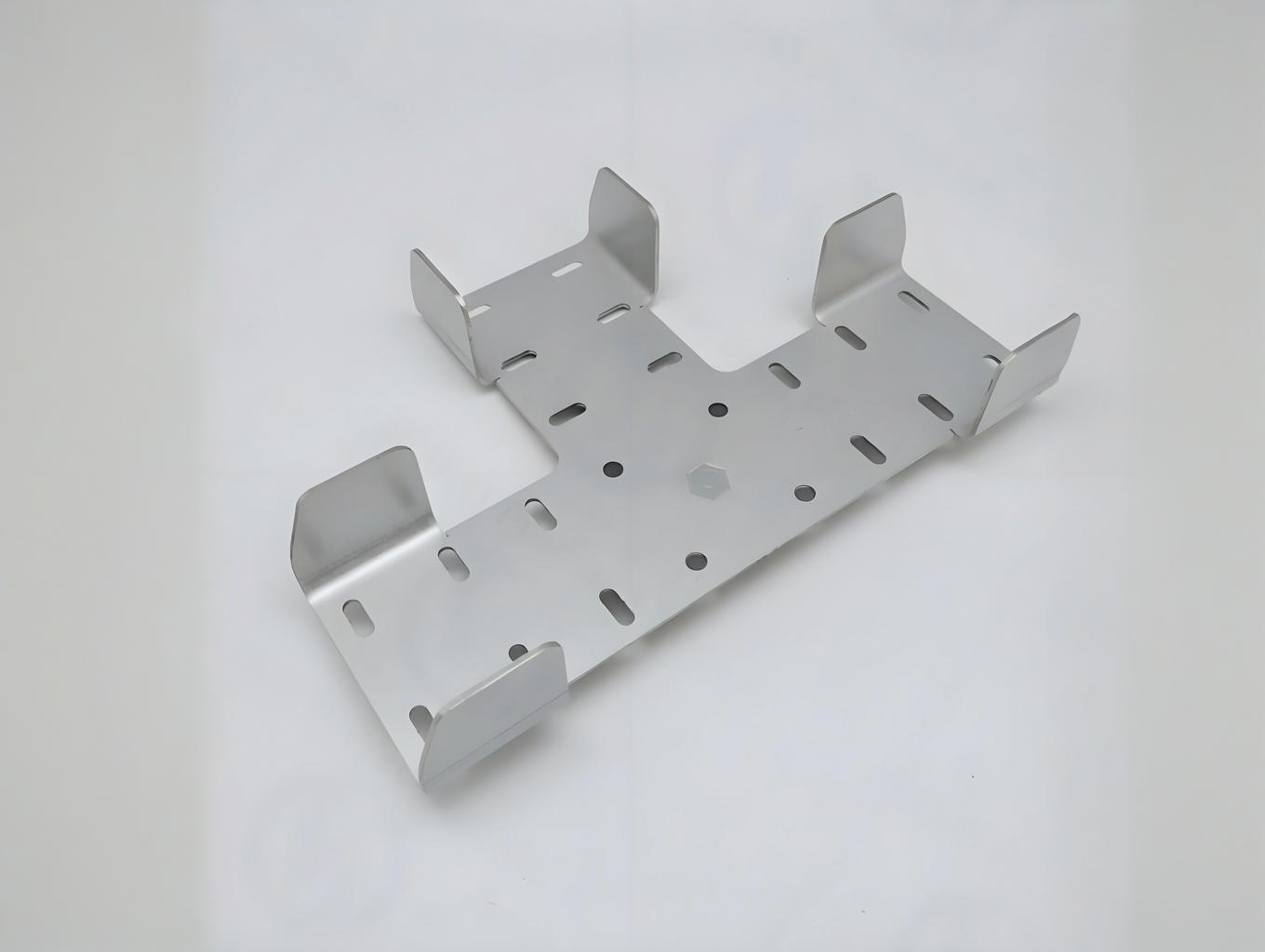
Bending is the process of deforming sheet metal along a straight axis without removing material. This creates angles, hems, or curves while maintaining structural strength.
Aluminum: Lightweight and ductile, but prone to cracking if over-bent.
Stainless steel: Strong and corrosion-resistant, but harder to bend.
Mild steel: Easier to bend than stainless, with good versatility.
| Material | Ease of Bending | Springback | Corrosion Resistance | Cost | Typical Use Cases |
| Aluminum | Easy–Moderate | Low–Medium | High | Medium | Aerospace, Electronics |
| Stainless Steel | Harder (High Force) | High | Very High | High | Medical, Food, Architecture |
| Mild Steel | Easy | Medium | Low (unless coated) | Low | Automotive, Construction |
| Galvanized Steel | Easy–Moderate | Medium | Medium–High | Low–Medium | Roofing, HVAC |
| Brass/Copper | Very Easy | Low | Medium–High | Medium–High | Electrical, Decorative |
Step 1: Measure and Mark the Bend Line
Use a scribe, marker, or laser to draw the exact line where the bend will occur. Double-check measurements to avoid costly mistakes.
Step 2: Position the Sheet
Place the sheet metal into the bender with the bend line aligned with the clamping edge. Ensure the workpiece is flush and square for an accurate bend.
Step 3: Clamp the Metal Securely
Lock the sheet in place with the clamping bar. Tight clamping prevents slipping and ensures a crisp bend.
Step 4: Adjust the Desired Angle
For manual benders, pull the handle steadily until the sheet reaches the required angle. For CNC press brakes, set the bend angle in the control system and let the machine perform the bend.
Step 5: Release and Inspect
Unclamp the sheet and check the bend for accuracy. Use a protractor or angle gauge if precise measurements are required.
Wear gloves and safety glasses.
Keep hands away from the clamping area.
Ensure the sheet is clamped tightly to avoid slipping.
Using clamps and a vise: Place the sheet between two pieces of angle iron in a vise, then hammer evenly along the bend line.
Using a hammer and form block: For smaller parts, use a wooden or steel form block as a guide, hammering gradually to form the bend.
Pros: Low cost, accessible for small jobs.
Cons: Less precision, harder with thicker gauges, risk of deformation.
Learning how to bend sheet metal opens the door to countless projects, from custom enclosures to structural supports. You can bend manually using clamps and hammers, or you can rely on precision tools like a sheet metal bender for consistent results.
For industries that require durability and tight tolerances, working with an experienced bending supplier like MAXTECH CNC ensures every bend, punch, or cut meets exact specifications. Whether you need a one-off prototype or high-volume production, MAXTECH provides a complete solution with CNC machining, stamping, bending, and quality inspection all under one roof.
Use consistent clamping pressure and bend in controlled motions. For professional results, companies like MAXTECH CNC use stamping presses and brakes to maintain ±0.05 mm tolerances.
Most DIY setups can handle 20–22 gauge sheets. Anything thicker (14–16 gauge) usually requires a brake or hydraulic press.
Bend allowance depends on material thickness, bend angle, and radius. Professional providers like MAXTECH CNC use advanced CAD/CAM software to calculate flat patterns accurately before bending.
Use a larger bend radius to avoid fractures. Heat-treat or anneal thicker aluminum sheets before bending.