Contact Us
REQUEST A CNC OR STAMPING SERVICE QUOTE FROM OUR EXPERTS TODAY!
Upload files ( Max file size: 20MB )

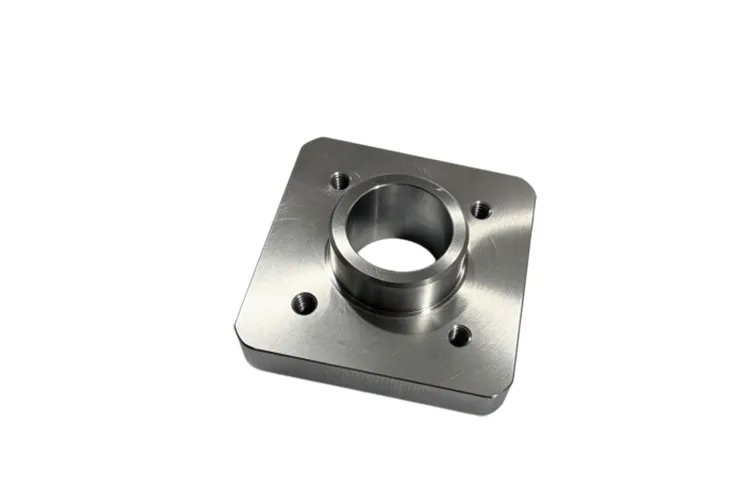
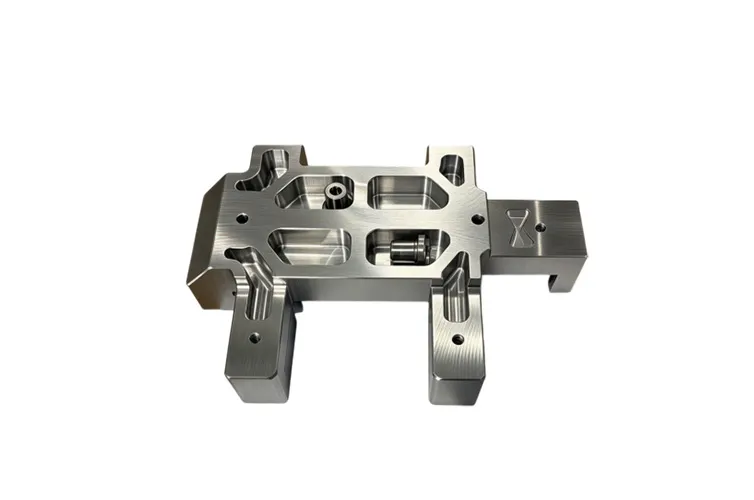
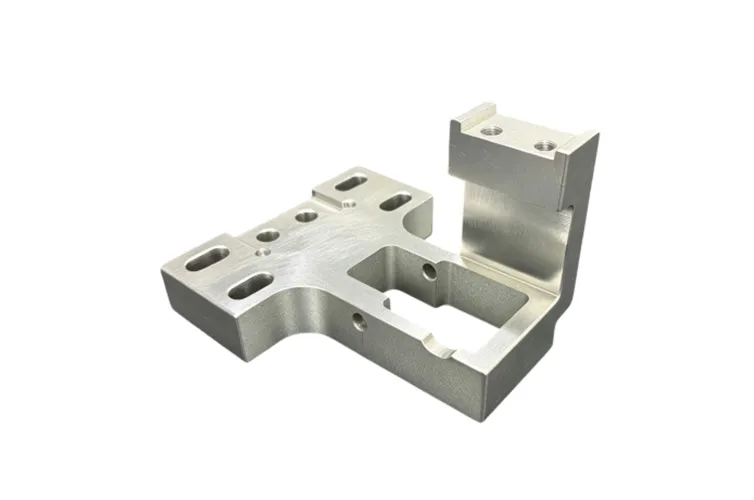
MAXTECH is a trusted leader in designing and manufacturing high-precision automotive parts, specializing in durable, application-specific components for global automotive suppliers. Our latest collaboration with TNS Automotive—an industry-leading provider of automotive fluid system solutions—delivers custom valve mounting blocks: core components that secure fluid control valves (for fuel, coolant, or brake systems) to the vehicle chassis, ensuring leak-proof operation, structural stability, and long-term reliability. As a key part of automotive fluid management, valve mounting blocks demand exceptional dimensional accuracy, corrosion resistance, and compatibility with harsh operating environments; leveraging our decades of automotive manufacturing expertise and advanced production capabilities, we overcame unique technical challenges to support TNS Automotive’s fluid system product lineup.
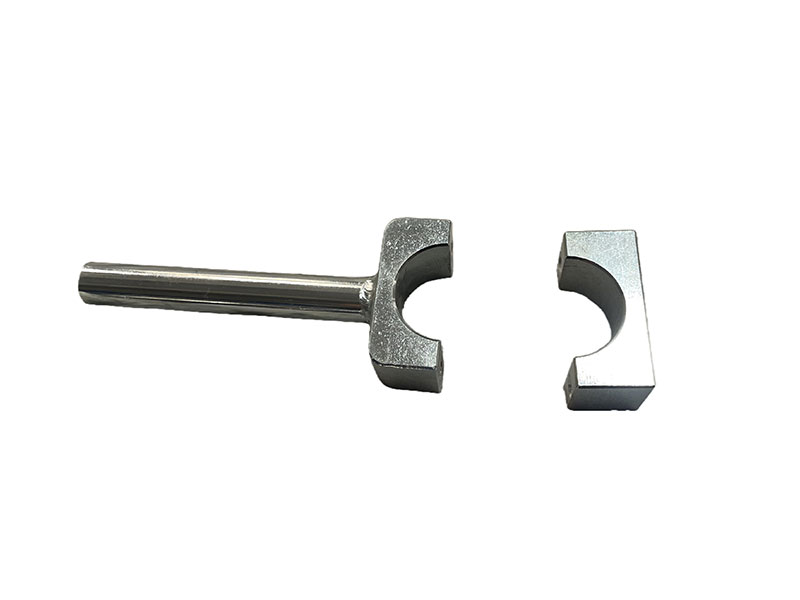
Valve mounting blocks operate in tight engine bay spaces, enduring temperature fluctuations (-30°C to 120°C), exposure to automotive fluids (fuels, coolants, brake fluid), and constant vibration. The project with TNS Automotive presented key hurdles:
Ultra-Precise Sealing & Alignment: The blocks needed tolerances of ±0.015mm for valve mounting surfaces and bolt holes to ensure leak-proof connections with fluid valves. Even minor misalignment would cause fluid leakage, system pressure loss, or component failure.
Fluid Compatibility & Corrosion Resistance: The blocks must resist chemical degradation from automotive fluids (gasoline, diesel, coolants) and road salts, with a service life of 200,000+ km—critical for TNS Automotive’s product durability guarantees.
Complex Compact Design: TNS Automotive’s fluid system required mounting blocks with intricate internal channels (for fluid routing) and compact external dimensions (to fit tight engine bays). This design demanded manufacturing precision to avoid channel blockages or structural weakness.
Rapid Prototyping & Low-Volume Production: TNS Automotive required 18 prototype blocks for performance testing within 7 days, followed by 800 low-volume production units within 3 weeks to meet their customer’s vehicle assembly timeline.
Vibration & Temperature Stability: The blocks needed to maintain structural integrity under high-frequency vibration (10–250Hz) and thermal cycling (-30°C to 120°C) without warping or loosening valve connections.
We tailored our manufacturing approach to balance precision, fluid compatibility, and compact design, combining advanced technologies, high-performance materials, and strict quality control.
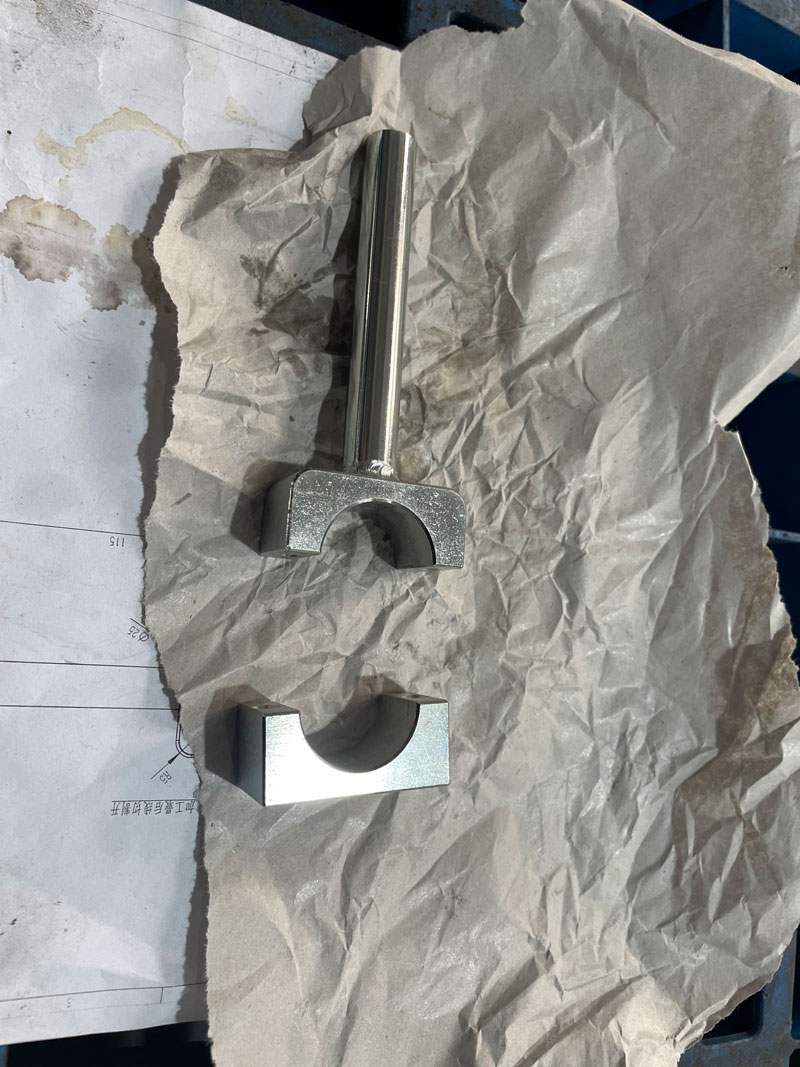
① CNC Machining (Primary Production Technology)
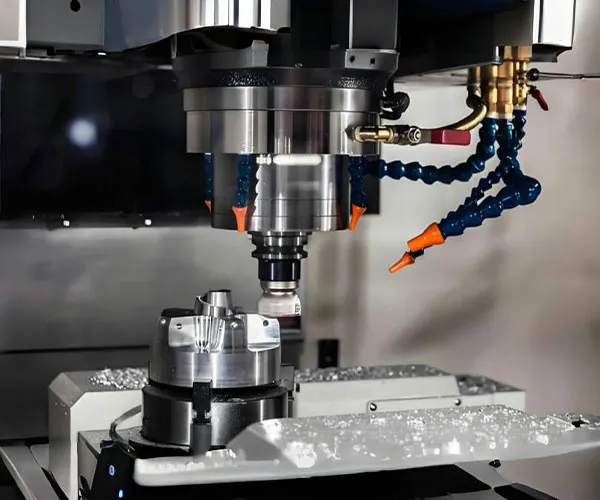
Application: Used for crafting the block’s complex geometry—including precision mounting surfaces, internal fluid channels, and bolt holes. We deployed 5-axis CNC milling centers with high-precision spindles (25,000 RPM) and micro-drilling tools to achieve the ±0.015mm tolerance. Real-time on-machine inspection (laser probing) was integrated to validate channel dimensions and surface flatness during machining, eliminating rework and ensuring leak-proof performance.
Channel Optimization: Custom CNC toolpaths were designed to machine internal fluid channels with smooth walls (Ra ≤ 0.4μm) to minimize fluid resistance, while reinforcing external ribs at stress points to enhance vibration resistance.
② Injection Molding (Plastic Component Production)
Application: Used for non-load-bearing plastic mounting blocks (for lightweight fluid systems). We utilized high-precision injection molding with custom molds to ensure dimensional stability (±0.02mm tolerance) and consistent fluid channel geometry.
Material Bonding: For hybrid metal-plastic blocks, molding processes were calibrated to achieve tight integration between plastic and metal inserts, avoiding gaps that could trap fluids or cause corrosion.
Tailored treatments to enhance fluid compatibility, corrosion resistance, and surface smoothness:
Finish Type | Applicable Materials | Key Benefits | Thickness |
Anodization | Aluminum | Enhances corrosion resistance; compatible with all automotive fluids | 0.01–0.03mm |
Powder Coating | Steel | Superior chemical resistance; protects against road salts and fluids | 0.08–0.12mm |
Chromate Conversion Coating | Aluminum/Steel | Improves adhesion for coatings; provides additional corrosion protection | 0.25–1μm |
Sanding & Polishing | All Materials | Creates smooth mounting surfaces (Ra ≤ 0.4μm) for leak-proof valve sealing | 0.02–0.04mm removed |
Every material was selected for fluid compatibility, precision machinability, and durability:
Material | Applicable Technologies | Key Benefits | Application in Valve Mounting Blocks |
Aluminum Alloy (6061-T6) | CNC Machining, Anodization | Excellent machinability; lightweight; corrosion-resistant; fluid-compatible | Core structural blocks (fuel/coolant systems) |
High-Strength Steel (4140) | CNC Machining, Powder Coating | High structural rigidity; resistant to brake fluid degradation | Brake system valve mounting blocks |
PA (Nylon) + Glass Fiber | SLS 3D Printing, Injection Molding | Lightweight; dimensional stability; fluid-compatible | Lightweight fluid system blocks |
ISO Compliance: All processes adhere to ISO 9001:2015 and ISO/TS 16949 (automotive quality standards), with full documentation of material sourcing, machining parameters, and inspection results.
Performance Testing: Partnered with independent labs to conduct:
Leak testing (10 bar pressure for 24 hours, no fluid seepage).
Fluid compatibility testing (immersion in gasoline/diesel/coolant for 500 hours, no material degradation).
Thermal cycle testing (-30°C to 120°C for 500 cycles, no warping).
Vibration testing (10–250Hz for 300 hours, no structural loosening).
CMM Inspection: Every production unit underwent Coordinate Measuring Machine inspection to verify ±0.015mm tolerance, ensuring uniform quality across all units.
“MAXTECH’s expertise in precision fluid system components was pivotal to the success of our valve mounting block lineup. The blocks they delivered not only met our ultra-tight tolerance requirements but also exceeded our fluid compatibility and durability expectations—after 500 hours of immersion testing, there was zero material degradation, and leak testing confirmed 100% seal integrity.
What stood out most was their ability to machine complex internal channels with consistent smoothness, eliminating fluid resistance issues we’d faced with previous suppliers. Their rapid prototyping service (5-day delivery!) kept our testing timeline on track, and their team’s willingness to adjust CNC toolpaths based on our fluid flow simulation data made collaboration seamless.
We trust MAXTECH’s commitment to precision and reliability, and we’re excited to expand our partnership for future fluid system components.”
— Product Engineering Manager, TNS Automotive
ISO Certified: Rigorous quality control for safety-critical fluid system parts.
Specialized Expertise: Decades of experience in valve mounting blocks, fluid routing components, and automotive fluid system parts.
Comprehensive Capabilities: CNC Machining,Injection Molding, and custom finishing—optimized for precision and fluid compatibility.
Rapid Lead Times: Complete the sample within 3-7 days; low-volume production in 2–3 weeks.
Material Mastery: Deep expertise in fluid-compatible metals and plastics, tailored to CNC auto application needs.
24/7 Engineering Support: Fast quotation (within 24 hours) and real-time project updates.