Contact Us
REQUEST A CNC OR STAMPING SERVICE QUOTE FROM OUR EXPERTS TODAY!
Upload files ( Max file size: 20MB )

MAXTECH is a leading designer and manufacturer of high-performance automotive components, dedicated to providing durable and industry standard components for global automotive brands. Our latest collaboration with SMT Automotive, a manufacturer of electric vehicles, focuses on producing customized heat dissipation structural components: key components that regulate the temperature of engines, electric vehicle batteries, and power electronic devices. With decades of expertise in auto CNC manufacturing and advanced production capabilities, we have overcome unique thermal and structural challenges to support the launch of SMT Automotive's new car platform.
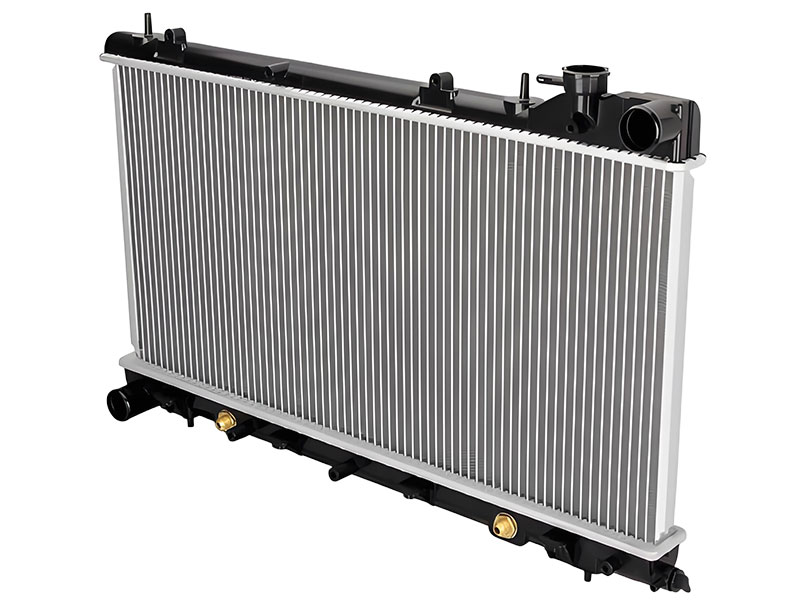
Automotive heat dissipation parts operate in extreme, temperature-fluctuating environments (ranging from -40°C to 180°C for EV batteries) and require uncompromising performance to prevent overheating-related failures. The project with SMT Automotive presented key hurdles:
Strict Thermal Conductivity Requirements: SMT Automotive’s new EV platform demanded components with high thermal conductivity (≥200 W/m·K) to efficiently transfer heat from batteries to cooling systems. Subpar conductivity would risk battery degradation or safety hazards.
Complex Structural Design: The heat dissipation parts featured intricate hollow channels and thin-walled structures (as thin as 1.2mm) to maximize surface area for heat exchange. This design required manufacturing precision to avoid deformation or blockages in cooling channels.
Dual Material Compatibility: The parts needed to integrate two materials—one for high thermal conductivity (to contact heat sources) and one for lightweight structural support—without compromising assembly tightness (tolerance requirement:±0.05mm).
Rigorous Durability Testing: Components needed to pass 1,000+ thermal cycle tests (alternating between -40°C and 180°C) and vibration tests (to simulate road conditions) without cracking or performance loss.
We tailored our manufacturing approach to address SMT Automotive’s unique needs, combining advanced technologies, high-performance materials, and strict quality control.
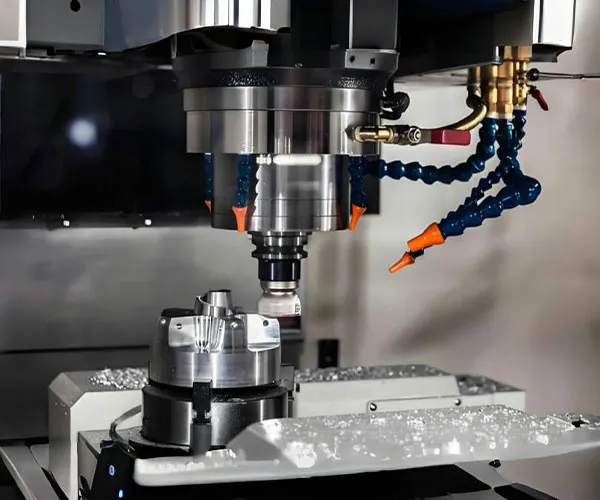
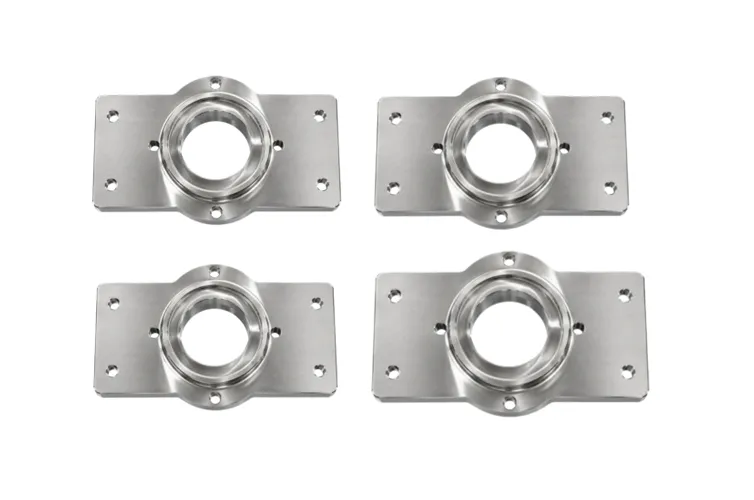
① CNC Machining (Primary Production Technology)
Application: Used for crafting the complex hollow channels and thin-walled structures of the heat dissipation parts. We deployed CNC milling centers with high-speed spindles (15,000 RPM) to achieve the ±0.05mm tolerance and smooth internal channel surfaces (Ra ≤ 0.8μm)—critical for unobstructed coolant flow.
On-Machine Inspection: Integrated real-time laser measurement during machining to validate dimensional accuracy at every stage, eliminating rework and ensuring consistency across batches.
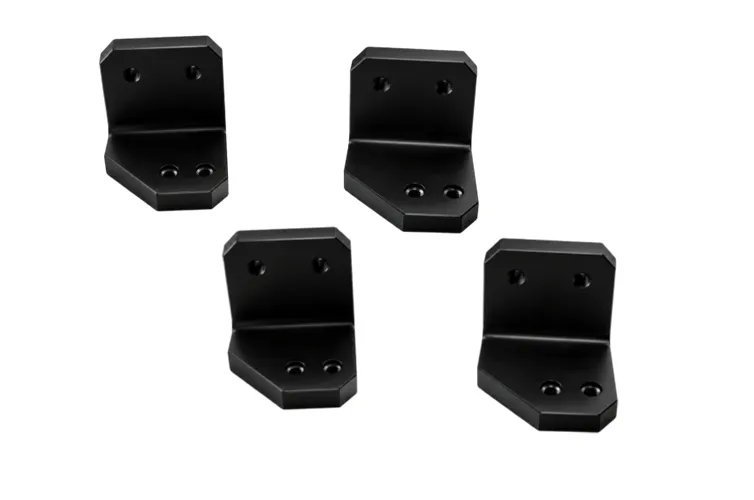
② Sheet Metal Fabrication (Structural Support Components)
Processes: Used laser cutting (for precise flat patterns) and bending (for forming structural brackets) to produce the lightweight support frames of the heat dissipation parts. Laser cutting ensured edge precision (±0.03mm), while bending maintained structural integrity without material fatigue.
Tailored treatments to enhance thermal performance and durability:
Finish Type | Applicable Materials | Key Benefits | Thickness |
Anodization | Aluminum | Boosts thermal conductivity; resists corrosion | 0.01-0.02mm |
Sand & Bead Blasting | Aluminum/Steel | Creates matte surface to reduce heat reflection | N/A |
E-Coating | Steel Brackets | Provides uniform anti-rust protection | 0.02-0.03mm |
Every material was selected for thermal efficiency, structural strength, and compatibility with automotive environments:
Material | Applicable Technologies | Key Benefits | Application in Heat Dissipation Parts |
Aluminum Alloy (6061-T6) | CNC Machining, Anodization | High thermal conductivity (205 W/m·K); lightweight; machinable | Core heat-transfer components (contacts with batteries) |
Stainless Steel (304) | Sheet Metal Fabrication, E-Coating | Corrosion-resistant; high structural strength | Support brackets (secures the part to the vehicle) |
PA (Nylon) + Glass Fiber | Injection Molding Injection Molding | Heat-resistant (up to 220°C); dimensional stability; low cost | Protective covers (shields internal channels from dust) |
ISO Compliance: All processes adhere to ISO standards to ensure consistent quality.
Thermal Testing: Partnered with third-party labs to validate thermal conductivity and perform 1,000+ thermal cycle tests—all parts met SMT Automotive’s performance requirements.
CMM Inspection: Used Fully automatic image measuring instrument (Novator series, etc.) to verify dimensional accuracy for every production unit, ensuring compliance with ±0.05mm tolerance.
“MAXTECH’s expertise in thermal management components was a game-changer for our new EV platform. The heat dissipation parts they delivered not only exceeded our thermal conductivity and precision requirements but also arrived ahead of schedule—their 7-day prototype delivery and 4-week production timeline kept our launch on track.
What stood out most was their material selection: the anodized aluminum core transferred heat 15% more efficiently than our initial design, while the stainless steel brackets ensured structural stability during vibration tests. The team’s responsiveness to design tweaks (like adjusting channel geometry for better coolant flow) made collaboration seamless, and their strict quality control gave us full confidence in the parts’ reliability.
We’re proud to partner with MAXTECH and look forward to working together on future thermal management projects.”
— Head of EV Engineering, SMT Automotive
ISO Certified: Rigorous quality control for automotive-grade parts.
Comprehensive Capabilities: CNC Machining, Injection Molding, Sheet Metal Fabrication—all under one roof.
Rapid Lead Times: Complete the sample within 3-7 days; low-volume production in 2-4 weeks.
Thermal Expertise: Specialized in heat dissipation, battery components, and high-temperature automotive parts.
24/7 Engineering Support: Fast quotation (within 24 hours) and real-time project updates.