Contact Us
REQUEST A CNC OR STAMPING SERVICE QUOTE FROM OUR EXPERTS TODAY!
Upload files ( Max file size: 20MB )

The automotive industry is currently undergoing its most significant transformation since the invention of the assembly line. With the rapid shift toward electric vehicles (EVs), enhanced safety standards, and the constant pursuit of fuel efficiency, the demand for high-quality, lightweight, and durable components has skyrocketed. At the center of this manufacturing evolution is automotive metal stamping, a critical process that turns raw metal coils into the complex structures that keep us safe and moving on the road.
Automotive metal stamping is a cold-forming manufacturing process that uses large presses and specialized dies to transform sheet metal into specific shapes. The process involves placing flat sheet metal, often referred to as blanks, into a stamping press where a tool and die surface form the metal under intense pressure.
Because modern vehicles are comprised of thousands of individual parts, stamping is the preferred method for production due to its incredible speed, consistency, and cost-effectiveness at high volumes. From the massive panels that make up the car's body to the tiny brackets holding electrical sensors in place, stamping is the invisible backbone of vehicle assembly.
The range of parts produced through metal stamping is vast. The process is used to create everything from structural reinforcements to decorative trim. Common stamped components include:
Chassis and Frames: The structural skeleton of the vehicle.
Brackets and Supports: Small but vital components that secure engines, seats, and exhaust systems.
Heat Shields: Formed components designed to protect sensitive parts from engine or exhaust heat.
Body Panels: Fenders, hoods, doors, and roofs.
EV Battery Housings: A growing sector requiring precision-stamped enclosures to protect battery cells and manage thermal loads.
In the automotive world, there is zero margin for error. A single faulty bracket can lead to a recall affecting millions of vehicles. This is why manufacturers prioritize partners who possess both advanced technology and deep engineering expertise. Maxtech CNC is a leader in this high-stakes field, providing specialized metal stamping automotive services that meet the industry's most rigorous quality standards.
Maxtech CNC utilizes state-of-the-art multi-stage stamping presses and progressive die technology to ensure every part, whether it is a simple washer or a complex structural reinforcement, meets exact specifications. The commitment to precision allows automotive OEMs to maintain tight tolerances and ensure seamless assembly on the production line. By integrating advanced quality control systems, Maxtech CNC ensures that every component contributes to the overall safety and performance of the vehicle.
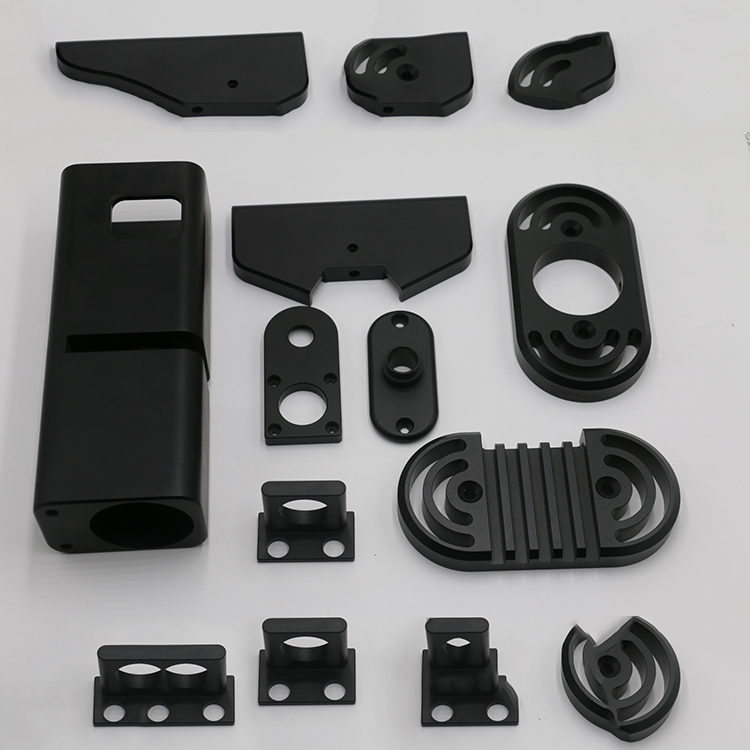
To meet the diverse needs of vehicle design, manufacturers utilize different stamping techniques. The choice often depends on the size and complexity of the part.
Progressive Die Stamping: This is ideal for high-volume production of smaller parts. The metal strip is fed through a series of stations within a single die set. Each station performs a different operation (cutting, bending, or punching) until the final part is completed and ejected.
Transfer Die Stamping: Used for larger components like frames or body panels. In this process, the workpiece is moved from one press to another using mechanical transfer fingers. This allows for the creation of deeper draws and more complex geometries.
| Feature | Progressive Die Stamping | Transfer Die Stamping |
| Basic Process | A metal coil is fed into the press. The part remains attached to the carrier strip as it moves through multiple stations. | The part is first cut into an individual blank. Mechanical transfer fingers or arms then move the part from one station to the next. |
| Part Size | Best suited for small to medium-sized components. | Ideal for large, heavy, or long components. |
| Production Speed | Extremely High. Can produce hundreds of parts per minute (high SPM). | Moderate. Limited by the speed of the mechanical arms moving the parts. |
| Complexity | Best for relatively flat parts with intricate cuts, bends, or holes. | Best for parts requiring deep drawing, or those that need to be rotated/flipped between steps. |
| Material Efficiency | Lower. A carrier strip is required to transport the part, which becomes scrap metal. | Higher. Parts are individual; blanks can be nested tightly to minimize scrap. |
| Tooling Costs | Very High. All operations are integrated into one massive, complex die set. | High but flexible. Multiple separate dies are used, which can be easier to maintain individually. |
| Typical Applications | Electronic terminals, brackets, washers, and small automotive clips. | Automotive body panels, engine oil pans, deep-drawn shells, and structural frames. |
The materials used in automotive stamping have evolved significantly. While traditional carbon steel remains a staple due to its strength and affordability, the industry is increasingly turning to:
High-Strength Steel: Offers the protection of traditional steel but allows for thinner, lighter parts.
Aluminum: Critical for lightweighting initiatives to improve fuel economy in gas vehicles and extend range in EVs.
Copper: Vital for electrical connectors and components within the vehicle’s growing electronic architecture.
Managing these different materials requires specialized knowledge, as aluminum behaves differently under pressure than steel, often requiring specific lubrication and die coatings to prevent springback or surface damage.
Safety is the ultimate priority in the automotive industry. Consequently, metal stamping facilities must adhere to strict international standards, such as IATF 16949. These certifications ensure that the manufacturer has a robust quality management system in place, focusing on continuous improvement, defect prevention, and the reduction of variation and waste in the supply chain.
By partnering with an expert provider like Maxtech CNC, automotive companies benefit from a partner that understands these compliance requirements and integrates them into the fabrication process. This reliability is essential for maintaining the integrity of safety-critical parts like seat belt anchors, airbag components, and brake system supports.
Automotive metal stamping is far more than just pressing metal into shapes. It is a highly engineered, high-speed discipline that requires a fusion of material science, mechanical engineering, and digital precision. As vehicles become more technologically advanced, the components that hold them together must also evolve. Whether it is reducing vehicle weight through innovative aluminum stamping or providing the structural strength needed for crash safety through high-strength steel, the role of precision stamping is indispensable. For manufacturers looking to lead in the next generation of mobility, working with a proven service provider ensures that every part is a perfect fit for the future of transportation.