Contact Us
REQUEST A CNC OR STAMPING SERVICE QUOTE FROM OUR EXPERTS TODAY!
Upload files ( Max file size: 20MB )

Choosing a CNC machining partner involves more than comparing the price of a bracket or housing. The supplier must understand the drawing, select a workable process, control the features that matter in assembly, and deliver documentation that matches your purchase order. A fast quotation is useful only when it covers the part you actually need.
This guide compares ten CNC machining service providers for engineers, OEM buyers, and sourcing teams reviewing suppliers in 2026. It covers digital manufacturing platforms, factory-based machining specialists, and providers combining factories with partner networks.
Editorial note: This article is published by MAXTECH CNC, which is included in the selection. The list is based on publicly described service capabilities and different sourcing models; it is not an independently audited ranking by revenue, quality, or market share. Numbering helps navigation. Suggested project fits are editorial assessments, and every order requires a drawing-specific quotation.
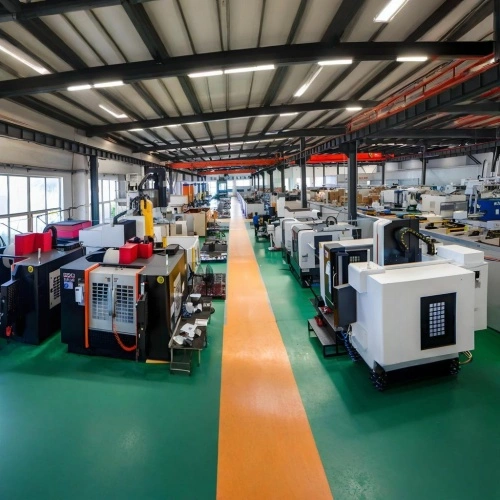
MAXTECH CNC machining workshop. Image from the company profile.
CNC machining removes material from a workpiece using programmed equipment. Milling commonly serves brackets, plates, pockets, and housings, while turning is well suited to rotational features such as shafts and bushings. Some parts require both processes, followed by finishing or other secondary operations.
The first purchasing decision is the service model. A factory relationship can support direct discussion of process planning and repeat orders. A manufacturing platform can help buyers source capacity across multiple suppliers. A hybrid provider offers its own manufacturing resources alongside a network. None of these models automatically guarantees a better part; responsibility for inspection, changes, and delivery still needs to be clear.
Compare providers against the same requirements:
Process fit: milling, turning, drilling, threading, wire EDM, and any secondary operations your geometry needs.
Material specification: alloy, condition, heat treatment, and required material documentation.
Drawing control: revision, datum scheme, critical tolerances, threads, and finish requirements.
Quality evidence: inspection scope, first-article approval, traceability, and acceptance criteria.
Commercial scope: quantity, tooling or setup charges, finishing, packaging, freight, and delivery terms.
Use the profiles below to build a shortlist, then qualify suppliers against a representative part rather than a general capability claim.
Company overview: MAXTECH CNC presents itself as a manufacturer of custom CNC machined parts, stamping parts, and dies. Its website identifies an affiliation with Hangzhou Roll Forming Machinery Co., Ltd. in Hangzhou, China.
Core capabilities: Its published machining range includes CNC milling, turning, drilling and tapping, and wire cutting. The broader portfolio also includes metal stamping and surface finishing services.
Engineering and purchasing focus: MAXTECH is worth reviewing when an equipment assembly combines machined components with stamped or formed parts. Buyers should ask which operations are performed in-house and how any external finishing is controlled.
Typical project fit: Custom brackets, mounting plates, bushings, housings, and tooling components for machinery and automation projects.
Why consider it: Its combination of machining and stamping gives buyers a practical starting point for discussing mixed-process component requirements. Confirm the proposed route and inspection plan for each drawing.
Official sources: MAXTECH company profile and CNC machining services.
Company overview: Protolabs offers digital manufacturing services through its own factories and the Protolabs Network. Its CNC service pages distinguish factory capabilities from network capabilities.
Core capabilities: CNC milling and turning for metal and plastic prototypes and production parts, supported by online quotation and design analysis.
Engineering and purchasing focus: Check which service route is quoted. Part size, available materials, finishes, and manufacturing options can differ between a factory order and a network order.
Typical project fit: Development teams that want online design feedback and a documented path from early parts to later production requirements.
Why consider it: The factory-and-network structure makes it useful for buyers comparing speed-oriented prototyping with broader manufacturing options. Obtain a quotation against the final drawing rather than relying on a headline turnaround time.
Official source: Protolabs CNC machining.
Company overview: Xometry provides online CNC machining through a supplier network. Its service offering covers prototypes, small batches, and production work.
Core capabilities: CNC milling, turning, and routing, with metal and plastic material options and additional inspection and documentation choices.
Engineering and purchasing focus: Agree on the manufacturing location, requested certifications, inspection scope, and repeat-order arrangements. Where a project needs the same manufacturing source over time, establish that requirement before ordering.
Typical project fit: Purchasing teams managing varied part geometries and looking for a common digital sourcing interface.
Why consider it: Its network model gives buyers access to different machining resources through one purchasing workflow. Qualification should still address the specific order and the documentation included in its price.
Official source: Xometry CNC machining services.
Company overview: Fictiv describes a managed global manufacturing network with machining resources across multiple regions. Its published network information illustrates different partner capabilities rather than a single uniform factory.
Core capabilities: CNC machining within a wider custom manufacturing offering, including support for production sourcing through its network.
Engineering and purchasing focus: Ask how the provider selects the manufacturing region, reviews drawings, coordinates inspection, and manages corrective action. Regional sourcing can affect logistics as well as production planning.
Typical project fit: Product teams that need manufacturing coordination across development and production orders.
Why consider it: The managed-network approach can suit buyers seeking a service team to coordinate sourcing. Verify the actual production route and quality deliverables for the quoted project.
Official source: Fictiv manufacturing network.
Company overview: RapidDirect offers online CNC machining through owned factories and a manufacturing network in China, serving customers internationally.
Core capabilities: Milling, turning, drilling, EDM, and precision grinding, alongside material and surface finishing options for prototypes and production parts.
Engineering and purchasing focus: Review the proposed manufacturing route and distinguish the quoted processing time from the complete delivery schedule. Finishing, inspection, packaging, and freight should be included in the planning discussion.
Typical project fit: Buyers comparing digital quotation with China-based manufacturing for custom metal and plastic components.
Why consider it: Its combination of factory resources and network capacity provides another hybrid sourcing option. Ask for confirmation of critical features, accepted drawing revisions, and any exclusions before purchase.
Official source: RapidDirect CNC machining.
Company overview: WayKen describes an in-house machining service for metal and plastic components, supporting both prototyping and production.
Core capabilities: CNC milling, turning, multi-axis machining, EDM, and wire EDM, with finishing and inspection support.
Engineering and purchasing focus: Discuss the relationship between prototype requirements and repeat-batch controls. A first development part may need rapid iteration, while a production release needs a stable drawing, inspection method, and change-control process.
Typical project fit: Engineering teams developing custom parts that need machining feedback before committing to a repeat order.
Why consider it: Its emphasis on prototyping, machining, and final quality control offers a useful basis for evaluating an engineering-led supplier relationship. Confirm feature-specific tolerances rather than applying one advertised precision figure to an entire component.
Official source: WayKen CNC machining services.
Company overview: 3ERP markets custom CNC machining for prototypes and production parts, with in-house machining capabilities and related manufacturing services.
Core capabilities: Three-, four-, and five-axis milling, turning, EDM, drilling, and precision grinding. Its published service portfolio also includes surface finishing.
Engineering and purchasing focus: For parts requiring several processes, ask how workholding and datum transfer will preserve important relationships between features. Confirm the sequence for machining, treatment, finishing, and final measurement.
Typical project fit: Custom housings, fixtures, shafts, and other parts where more than one operation may be required.
Why consider it: The breadth of published machining processes makes it a candidate for mixed-operation RFQs. The deciding evidence should be a feasible process plan and inspection proposal for your component.
Official source: 3ERP CNC machining services.
Company overview: HLH Prototypes offers CNC machining within a broader prototyping and manufacturing service portfolio.
Core capabilities: CNC milling and turning, three-, four-, and five-axis machining, EDM, and surface grinding for metal and plastic parts.
Engineering and purchasing focus: Clarify whether the deliverable is a visual prototype, a functional test component, or a released production part. These uses can require different materials, cosmetic standards, and levels of documentation.
Typical project fit: Product development programs comparing machining with other prototype processes for different components in an assembly.
Why consider it: Its broader prototyping offering can help teams evaluate manufacturing routes while a design is evolving. Put the final acceptance criteria into the RFQ so the supplier quotes the intended use.
Official source: HLH CNC machining.
Company overview: Runsom Precision describes a China-based machining service covering design validation, prototypes, and production components.
Core capabilities: Three-, four-, and five-axis CNC machining, turning, grinding, and EDM. Its wider portfolio includes Swiss CNC machining and finishing options.
Engineering and purchasing focus: Match the process to the component. A slender turned part, a multi-sided housing, and a fixture plate should not be qualified using the same generic capability checklist.
Typical project fit: Buyers sourcing different machined component families and checking whether one provider can support several process requirements.
Why consider it: Its published process range gives sourcing teams several routes to investigate. Confirm the equipment, material condition, and inspection method proposed for the actual drawing.
Official source: Runsom CNC machining service.
Company overview: eMachineShop offers custom manufacturing services and CAD resources, with both digital and manual quotation routes available on its website.
Core capabilities: CNC milling and turning, along with EDM, sheet cutting, secondary operations, and surface finishing services.
Engineering and purchasing focus: Check the accepted file format and how drawing requirements enter the quotation. A CAD model communicates geometry, but material condition, thread class, finish, and inspection instructions may need additional documentation.
Typical project fit: Designers and purchasing teams seeking accessible CAD tools and a broad custom-parts quotation workflow.
Why consider it: Its combination of manufacturing services and design resources provides another route from a part concept to a quote. Review all assumptions before releasing production.
Official source: eMachineShop manufacturing services.
The table summarizes published service positioning. The purchasing questions are editorial guidance, not comparative quality scores.
| Provider | Published service model or focus | Useful purchasing question |
|---|---|---|
| MAXTECH CNC | Custom machining, stamping, and dies | How will machining and any stamping or finishing operations be coordinated? |
| Protolabs | Digital factories plus Protolabs Network | Which factory or network route is included in this quotation? |
| Xometry | Online sourcing through a supplier network | How are manufacturing location and repeat-order requirements handled? |
| Fictiv | Managed manufacturing network | Who coordinates sourcing, inspection, and corrective action? |
| RapidDirect | Owned factories and manufacturing network | What is the complete schedule through finishing and delivery? |
| WayKen | In-house machining from prototypes to production | How will the approved prototype become a controlled repeat order? |
| 3ERP | Multiple in-house machining processes | How are datums maintained between operations? |
| HLH Prototypes | Machining within a broader prototype offering | Is the quote for a visual model, functional part, or production component? |
| Runsom Precision | Machining across several process families | Which process and equipment suit this particular geometry? |
| eMachineShop | Custom manufacturing and CAD resources | How are drawing notes and non-geometric requirements captured? |
Send every shortlisted provider the same drawing revision and quantity schedule. Identify the surfaces, bores, and positions that control assembly. State which dimensions apply after coating or treatment, and resolve conflicts between the 3D model and 2D drawing before production begins.
For example, a mounting plate may have several clearance holes but only two locating features that control its installed position. Explaining that function helps a supplier propose a sensible process and measurement plan without treating every feature as equally critical.
A useful quotation separates recurring unit cost from setup, fixtures, tooling, and optional documentation. Compare equal quantities and delivery terms. Include finishing, inserts, deburring, packaging, transport, and any required material or inspection records.
Ask what starts the lead-time clock: purchase order receipt, drawing approval, material availability, or payment. Also establish whether the quoted date means completion at the factory, dispatch, or arrival at your destination.
Request a sample report format and define which characteristics must be measured, using what method, and at what frequency. For a new repeat-production part, agree on first-article approval before releasing the remainder of the batch.
A quality-system certificate can support supplier qualification, but it does not replace evidence that your drawing requirements were met. When certification matters, check its current scope, issuing body, and coverage of the manufacturing location involved.
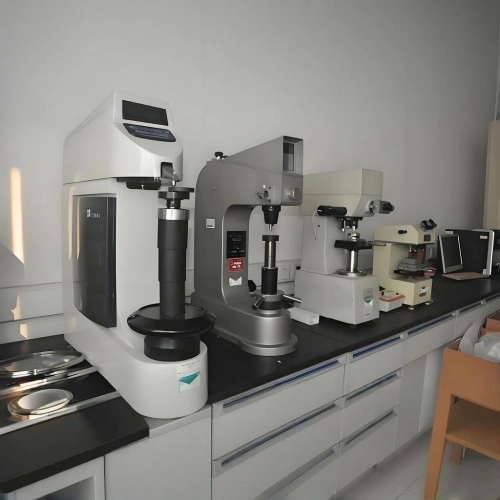
Quality inspection at MAXTECH. Agree on the measurement method and report scope before ordering.
Choose a trial component that reflects the real sourcing challenge: a critical bore, a thin section, a difficult material, or a cosmetic finish. Evaluate dimensional results, communication, packaging, and response to technical questions together. A simple sample may reveal little about a much more demanding production part.
Keep the approved sample, drawing revision, inspection report, and deviation approvals connected. This creates a clear reference when you reorder or investigate an assembly issue.
| RFQ item | What to provide | Why it matters |
|---|---|---|
| Geometry and revision | 3D CAD plus a controlled 2D drawing where required | Reduces ambiguity about shape and acceptance requirements |
| Material | Alloy, condition, treatment, and documentation needs | Prevents an unsuitable material substitution |
| Critical features | Datums, fits, tolerances, threads, and functional notes | Guides process planning and inspection |
| Surface requirements | Finish, coating, masking, and cosmetic areas | Makes secondary operations comparable |
| Quantity and schedule | Trial quantity, repeat volumes, and required delivery date | Supports appropriate setup and capacity planning |
| Quality and logistics | Reports, traceability, packaging, and delivery terms | Defines the complete supply scope |
MAXTECH's published services provide routes for CNC milling, CNC turning, and wire cutting. Its separate metal stamping services are also relevant when a purchasing package includes formed components alongside machined parts.
For an initial technical review, send the drawing revision, material specification, quantity, key tolerances, finish, and delivery destination. Identify any requirement for material certificates, dimensional reports, or first-article approval. These details let the team assess a defined manufacturing requirement and explain any assumptions in the quotation.
You can also review the published surface finishing options before finalizing the RFQ. Confirm the selected treatment, masking requirements, and dimensional acceptance stage for the part being quoted.
Contact MAXTECH CNC to discuss your custom machining or combined machining-and-stamping requirements.
A machining company may manufacture directly in its own workshop. A service platform typically coordinates work through a supplier network, while some providers combine both models. Ask who manufactures the parts, who approves technical changes, and who is accountable for inspection and delivery.
The best fit depends on geometry, material, quantity, documentation, and delivery requirements. Use this list to create a shortlist, then compare drawing-specific quotations and qualify a representative part. A brand's general capability does not prove that every requirement of your project is covered.
No. The appropriate process depends on tool access, geometry, workholding, and the relationships between features. Ask suppliers to explain the proposed route and any cost or quality benefit. Many parts can be made effectively with simpler equipment and suitable setups.
Review unnecessarily tight tolerances, deep pockets, difficult tool access, excessive finish requirements, and avoidable setups with your supplier. Request alternative quantities and separate one-time costs. Any design or material change should be approved by the responsible engineer before manufacture.
No. They normally describe selected capabilities or favorable conditions. Actual feasibility and timing depend on the material, geometry, feature size, quantity, finishing, inspection, and available capacity. Obtain written confirmation against the released drawing and the agreed delivery milestone.
Provide a CAD model, the current drawing revision, material and treatment requirements, order quantity, critical tolerances, surface finish, and delivery destination. Add any requested certificates, inspection reports, packaging instructions, and schedule constraints so the quotation covers the complete requirement.